
Sara Mavrič, I feel Slovenia Soča Outdoor Festival: “Crossing the ice-cold Tolminka River revives exhausted runners.”
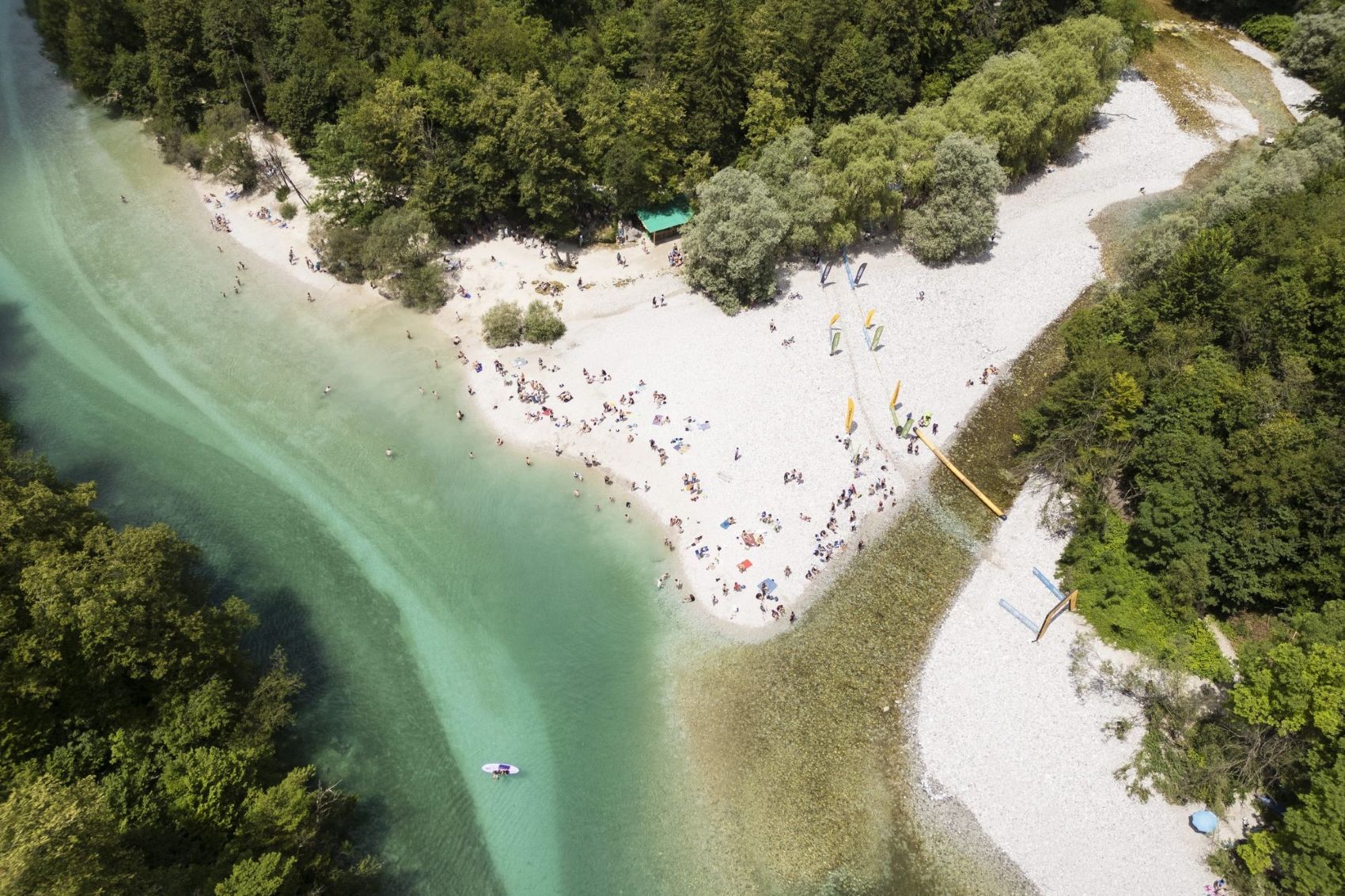
The I feel Slovenia Soča Outdoor Festival has been proving since 2013 that the idyllic confluence of two rivers in Tolmin is not only an ideal venue for music events, but also for a sports festival. Over the past three editions, the event has been led by Sara Mavrič, whom the rest of the organising team describes as someone who brought structure and calm leadership to the festival. We spoke with her about how the local community is involved, how deafblind participants will be included this year, what explains the equal gender ratio among participants, and more.
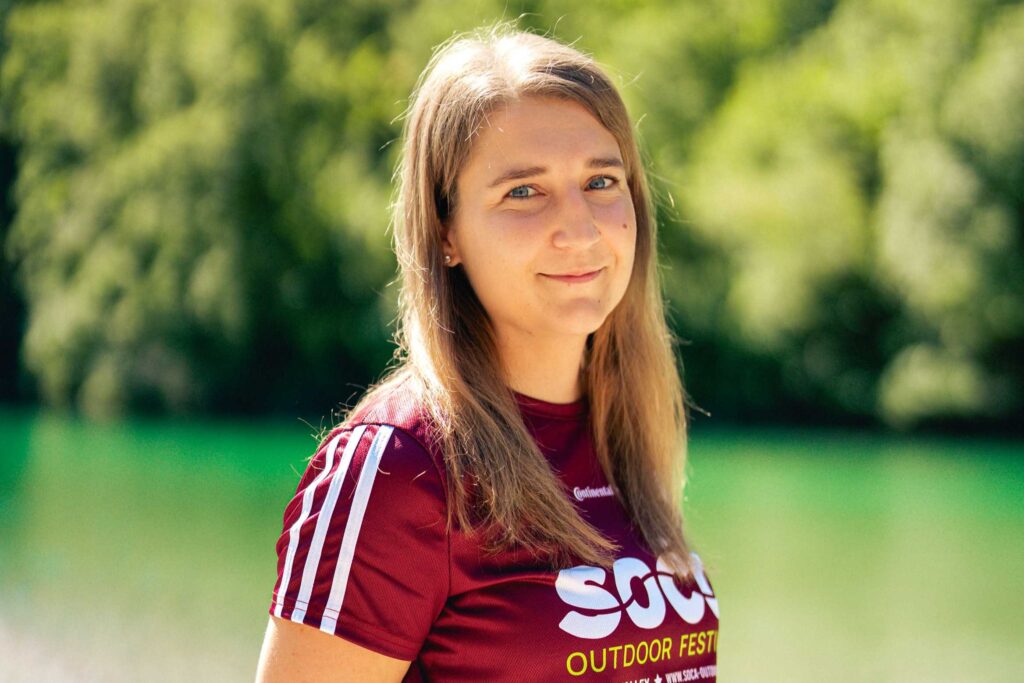
More than a month before the event, two distances are already sold out. What’s the rush?
It’s true — our most popular races, the Continental 10 km and adidas Terrex 15 km, are already sold out. That tells us runners were happy with previous editions. Since we split the races across two days — Saturday for longer distances and Sunday for shorter ones — we were able to increase participant numbers. Still, we intentionally keep the number of entries at a level we believe allows for a relaxed and enjoyable experience without overcrowding.
How do locals feel about the sports festival? How many local runners take part?
I’m originally from the Brda region myself, but a large part of our wider team comes from Tolmin and the surrounding area. Because of that — and because we genuinely try to create the festival together with the local community — I can say many locals truly see it as their own event. This is our festival, and when I say “our,” I mean people from Tolmin and the wider northern Primorska region. We couldn’t do it without locals. Many join as volunteers, some independently organise refreshment stations, or even run garden hoses to the route to provide water and cooling for runners. I think I can already reveal that this year the Tolmin Gorges will host their own refreshment station with local snacks for runners.
On the other hand, runners fill local accommodations to the last bed during the festival, and international participants stay for more than just one or two nights. Accommodation owners love active guests. I should also mention local companies such as Hidria, Elektro Primorska, TKK, ITW Metalflex, ETA Cerkno, and others, which register entire groups of employees for the races and encourage a healthy lifestyle that way. Every year, we also donate a considerable number of free race entries to local associations and institutions that help us organise the event. Employees from Komunala Tolmin, the police, mountain rescue services, the health centre, the Municipality of Tolmin, and Tourism Soča Valley all take part. It’s wonderful to see starting places filled by international runners, but we must not forget the locals. Balancing both is the best part.
Is the I feel Slovenia Soča Outdoor Festival more competitive, or more about enjoying nature?
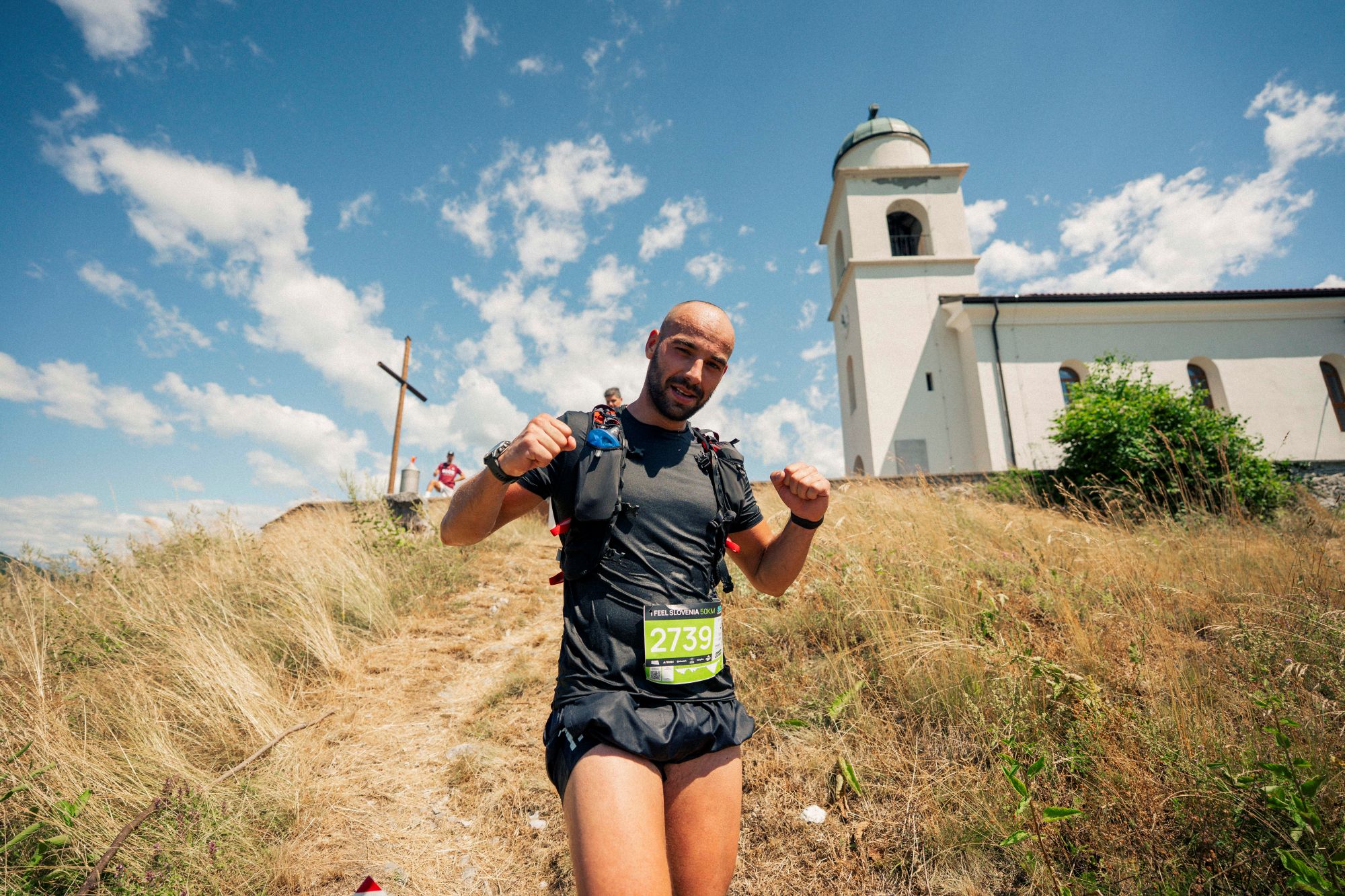
I think the charm of trail running lies precisely in the fact that organised events attract both professional athletes and recreational runners. If I compare our race to ski jumping or a basketball game — there, thousands cheer for a handful of top competitors, which is great, but isn’t it even better that here everyone can stand on the same starting line and run the same trails together?
Our time limits are relaxed enough that even those who stop for photos or walk sections of the course can still reach the finish in time. In that sense, I think the growing popularity of these events is fantastic — trail running is a sport for everyone. Maybe our event leans slightly more toward recreational runners and female participants; we’re probably one of the few races with an equal gender ratio. Partly because running through the Soča Valley is beautiful and photogenic, but also because of our refreshing finish line experience. It almost looks as though crossing the ice-cold Tolminka River revives exhausted runners. It’s great when the competitive spirit pushes you slightly faster and slightly higher than you would go alone.
And for those who prefer walking peacefully, this year we added a two-day adidas Terrex and Intersport hike on the Juliana Trail, from Bovec to Tolmin. Every year we try something new. Sometimes it works, sometimes it doesn’t.
There are still no signs that the mountain biking race will return to the programme. Who replaced the cyclists?
For many years, the mountain bike marathon was an essential part of the festival. The event grew around it. So we’re truly sorry that this part had to be cancelled, but until certain regulations regarding organising competitions in natural environments change, we’ll have to accept it — even though we all miss the cyclists. Once cyclists return, we’ll probably have to stretch the festival across two weekends (laughs).
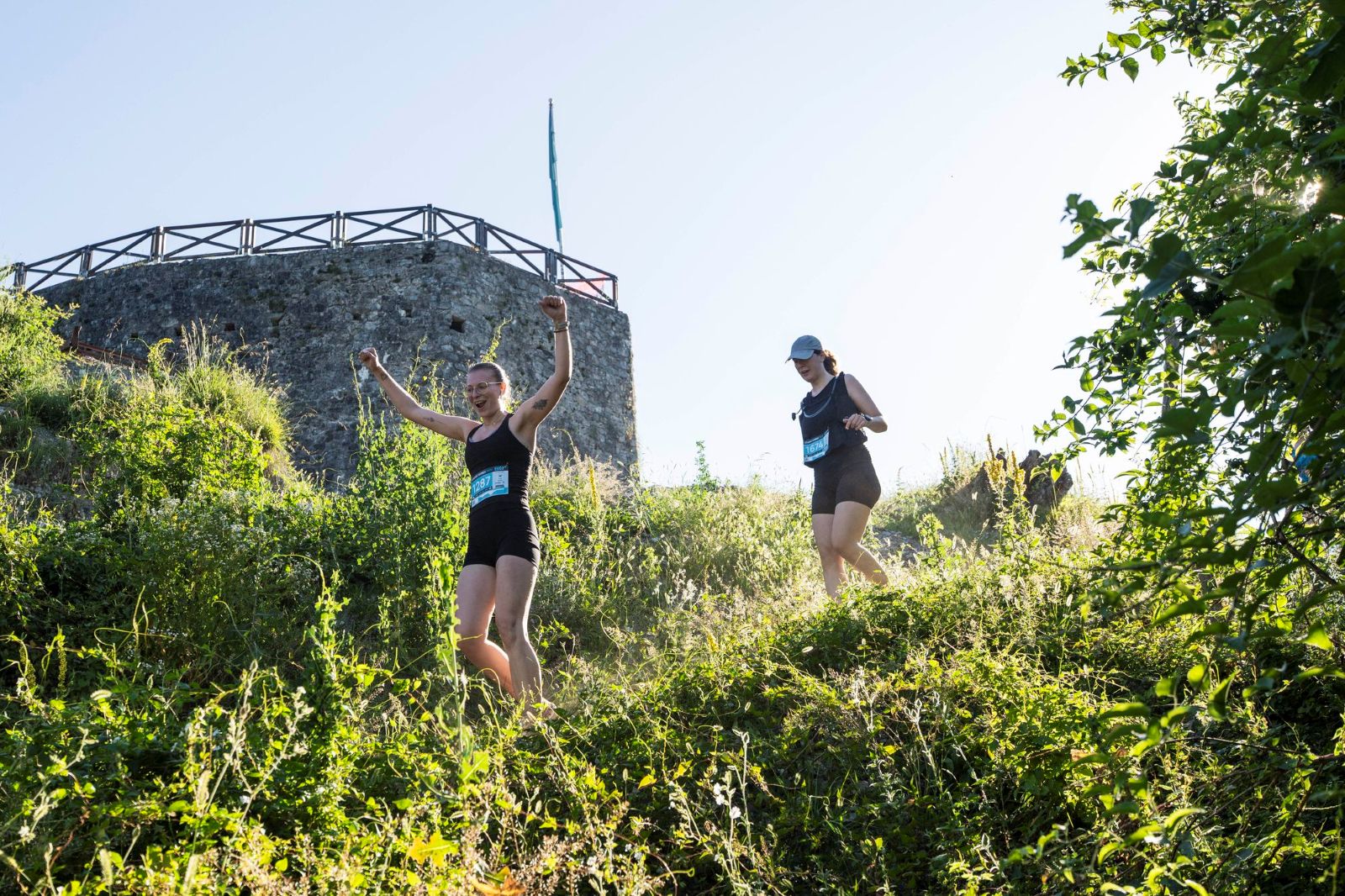
At the same time, this allowed us to expand the running programme to two days, add 5 km and 50 km races, and introduce Friday’s vertical race from the museum to Tolmin Castle. This year will also mark the fourth edition of the Parafestival. Coincidentally, Saturday 27 June is International Deafblind Day, and with the support of the Dlan Association, we’ll organise a real race for deafblind participants on a 500-metre course, accompanied by guides from start to finish. They’ll receive bib numbers, medals, T-shirts — everything proper runners receive. Imagine what that means to someone who otherwise might never experience something like this in their life.
Together with the association Igraj se z mano (“Play with Me”), we’ll organise additional activities — participants with physical disabilities will go stand-up paddling, rafting, and play board games. The reactions are always incredibly positive, which is why we truly want inclusion to remain part of our event.
Inclusion is also part of sustainability, which is an important aspect of the festival, right?
Sustainability is not just about not throwing rubbish into nature. I think we’ve already moved beyond that basic understanding. Still, three thousand runners inevitably leave some kind of impact. Sometimes we educate and challenge them, sometimes they educate and challenge us — and if that means one step closer to less waste and fewer harmful effects on nature, that’s great.
The biggest improvement would be convincing as many participants as possible to travel to Tolmin by public transport or at least share rides, because an environmental impact study conducted by the University of Maribor showed that participant transport is the event’s biggest environmental issue.
I also have to say we learned a lot last year when we first went through the certification process for the Good Events certificate. Since then, we’ve approached sustainability much more systematically, which should bring good long-term results. Everyone involved is working toward the same goal: that on the Monday after the festival, the only things left around Tolmin are beautiful memories, maybe a blister or two, and well-worn trails around Tolmin.


