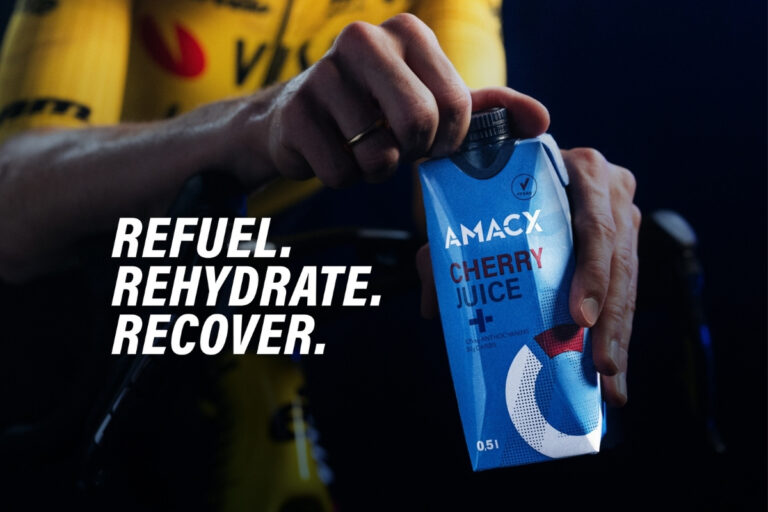
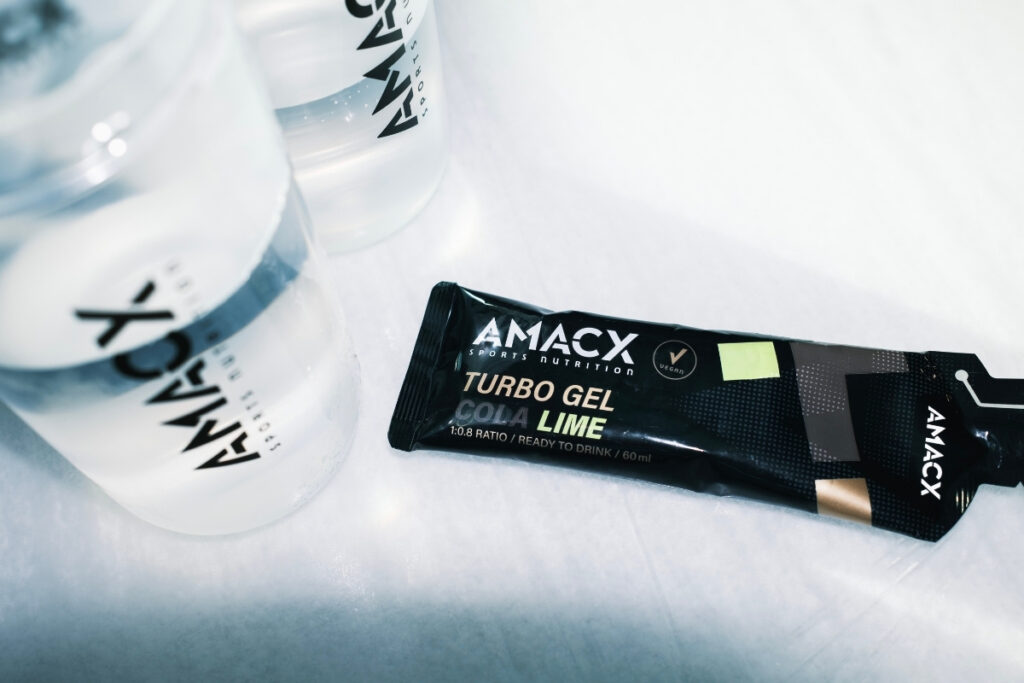
Carbohydrates. Fluids. Sodium. Execution.
Trail running races are not a steady effort. Climbs, descents, technical terrain and constant pace changes mean your body is under variable stress. Your nutrition must reflect that — you need a strategy that adapts.
If you execute fuelling correctly, you:
- maintain stable energy output
- delay fatigue
- reduce risk of GI (stomach) issues
- improve recovery

Phase 1: Carb loading (24–48h before)
The first phase is all about maximizing glycogen stores—your primary fuel source.
Target is 8–10 g carbs / kg body weight / day. For a 70 kg athlete, this means ~560–700 g carbs/day.
Reaching this intake requires a practical approach:
• prioritize low-fiber, low-residue foods such as white rice, pasta, and bread
• reduce fat and protein to leave more room for carbohydrates
• use liquid carbohydrates (e.g. high-carb isotonic drinks) if appetite drops
• distribute intake across 3 meals and 2–3 snacks
Since high fiber increases the risk of gastrointestinal issues on race day, it’s best to keep your choices simple and familiar.
Phase 2: Pre-race (2–4h before)
The second phase focuses on topping up glycogen stores while optimizing hydration before the start.
The recommended intake is 1–4 g carbs / kg body weight.
A practical approach includes:
• easy-to-digest carbohydrate sources
• meals low in fat and fiber
• fluids with electrolytes to support hydration
Starting hydration early is key. Don’t wait until you’re at the start line—begin drinking in advance to ensure you’re properly hydrated when the race begins.
Phase 3: Mid-race fueling
This is where most races are decided—and where many athletes underperform. Once glycogen stores start to drop, performance doesn’t fade gradually; it declines fast.
To stay ahead of that, your intake needs to match your effort:
- 60–90 g carbs/hour for moderate intensity
• 90–120 g carbs/hour for high intensity or racing
• 500–600 ml fluids/hour as a baseline
• up to 1–1.5 L/hour in hot conditions
These numbers matter because your body can only store a limited amount of glycogen.
Fueling should follow the course profile, not a fixed schedule:
• increase intake before climbs (carbs + fluids)
• maintain or slightly reduce on descents and flats
• eat when it’s needed, not when it’s too late
This kind of dynamic approach helps: reduce gut stress, prevents missed intake windows, and keeps energy levels more stable.
Hydration is not just water
Drinking only water dilutes your system without properly rehydrating it. The result is poor absorption, increased risk of cramps, and a higher chance of stomach issues.
With Amacx products, your sodium intake typically looks like this:
• Energy Gels → ~200 mg sodium
• Energy & Turbo Fruit Chews → ~100 mg sodium
• Fast Bars, Turbo Chew Bars, Energy Nougats → ~50 mg sodium
When combined with isotonic drinks (Energy Drink or Turbo Drink), your total intake reaches at least 500 mg of sodium per hour.
Keep in mind that in hot conditions, you may need even more.
Common mistakes even experienced athletes make
Even experienced runners often fall into familiar traps:
• relying only on water
• delaying their fueling strategy
• underestimating carbohydrate needs
• trying to correct mistakes once the race is already underway
The consequences are rarely subtle—sharp energy drops, a higher risk of stomach issues, and a steady decline in pace.
The best athletes fuel early and fuel consistently, making deliberate decisions before problems have a chance to appear.
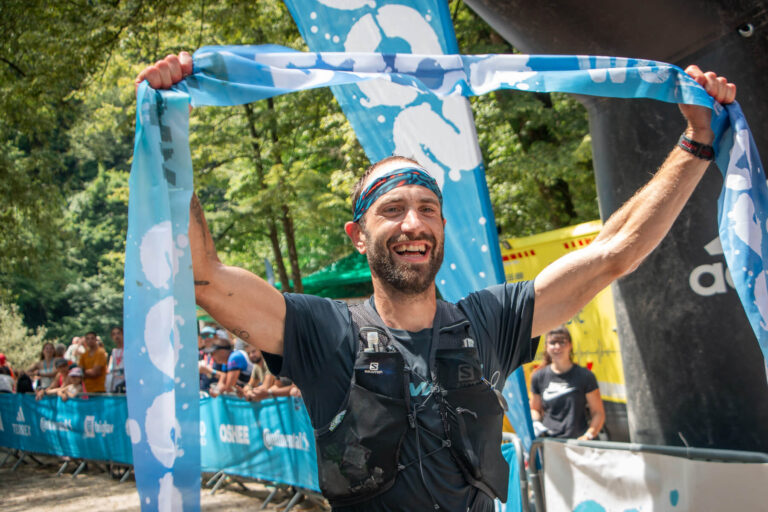
Where to start with race-day nutrition?
You can find a full range of race-day nutrition and hydration products—gels, drinks, bars, and electrolytes—at https://www.laprimafit.com/.
Soča Outdoor Festival athletes can use code SOF for 25% off.
La Primafit is an official partner of Amacx Sports Nutrition, 6d Sports Nutrition, Maurten, and Precision Fuel & Hydration.
📩 Questions? Send an email to grega@laprimafit.com
This is a general guideline — not an individual nutrition plan. Always test your strategy in training.